BookEunoia
Author Website Development
The One Platform
Nobody Can Take Away
From You.
TikTok changes its algorithm. Instagram buries your posts. Amazon controls what readers see about you. Your own website is the only platform in publishing where you make all the rules, own all the data, and keep every reader relationship you build. We design and build author websites that convert visitors into email subscribers, browsers into buyers, and readers into lifelong fans.
100%
YoursData
5-8
PagesBuilt
30d
Post-LaunchSupport
1st
MobileDesign
No royalty splits, ever
No hidden fees
Global Distribution
Free consultation, no commitment
yourname.com
Books
🌐Custom-Designed, Not Templates📧Email List Integration Built-in📱Mobile-First Responsive🔍SEO-Optimized from Day One🎓Training + 30-Day Support🌐Custom-Designed, Not Templates📧Email List Integration Built-in📱Mobile-First Responsive🔍SEO-Optimized from Day One🎓Training + 30-Day Support
Why this matters more than any other platform
Social Media Is Rented Land.
Your Website Is Yours Forever.
Every hour an author spends building a following on a platform they don't own is an hour building someone else's asset. Here is what changes when you own your own platform.
⚠ Rented platforms
Social media, Amazon, and every other platform you don't own
- Algorithm changes can reduce your reach by 80% overnight, with no warning and no recourse
- Platform policies can suspend or delete your account, and everything you built with it
- You don't own your follower data, you can't export your audience or email your fans directly
- The platform monetizes your readers with ads for other products, including your competitors
- If the platform closes or loses relevance (MySpace, Vine, Google+), your audience disappears
- Your profile competes for attention against every other post in the feed at the same time
✓ Your own website
A platform you built, own, and control completely
- No algorithm, every reader who visits sees exactly what you chose to show them
- You own every email address; your list is an asset that grows in value permanently
- No competitors, visitors to your website are there specifically because of you
- Press, media, and event organizers look for your website first when they want to contact you
- Your books rank on Google because each book has its own page; Amazon's listing does not rank for your author name the same way
- Readers who sign up for your newsletter convert to buyers at a higher rate than any social media follower
📧
The email list is the reason the website exists
Industry data consistently shows that email marketing converts to book sales at a higher rate than any other author marketing channel, including Amazon Ads, BookTok, and Instagram. But you can only build an email list on a platform you own. Your author website's primary job is to convert visitors into email subscribers. Everything else, the design, the content, the book pages, serves that conversion function. A website without an email sign-up is a missed opportunity on every single visit.
The conversion engine
How Your Website Turns
Visitors Into Lifelong Readers
The reader conversion journey, how a website works
🔍
Reader finds you online
Google search for your name or book, a BookTok mention, or a podcast appearance, and they click through to your website
↓
👁
They browse your world
About page builds a personal connection. The books page shows your catalog. A blog deepens their interest in you as a person
↓
🎁
Lead magnet converts them
Free first chapter, exclusive short story, or reader bonus offered in exchange for their email address, a fair trade that works
↓
✉️
They join your email list
Now they're yours, not Facebook's, not Amazon's, not TikTok's. They receive your emails directly, permanently, on your terms
↓
📚
They buy every subsequent book
Email subscribers are your most valuable readers; they buy on launch day, they leave reviews, and they tell other readers
Email: the highest-ROI author marketing channel
Consistently outperforms social media and paid ads for book sales conversion
Lead magnets that actually make readers sign up
The most common mistake on author websites is a generic email sign-up with no incentive, "Sign up for my newsletter" converts at a fraction of the rate of a specific, valuable offer. Readers sign up when they get something worth having in exchange.
We build your email sign-up integration and help you identify the right lead magnet for your genre and audience. Every sign-up is tagged by source, so you know which page and which offer converts best.
📖
Free first chapter or prologue
Fiction: highest converter
🗺️
Exclusive world map or character guide
Fantasy / Series
📋
Free workbook or companion resource
Non-fiction: strong
🎙️
Exclusive short story or deleted scene
All genres
📚
Reading guide or book club resources
Literary / Memoir
What your website needs
The Pages Every Author's Website
Must Have, and Why Each Matters
An author's website is not a generic business website. It serves specific functions for specific audiences, readers, press, librarians, event organizers, and potential collaborators. Here are all the pages it needs, with an honest explanation of what each one does.
Page 01
🏠
Homepage
EssentialThe first impression must establish genre tone instantly, showcase your latest book with a buy link, introduce you briefly, and prominently present the email sign-up. A homepage that doesn't do all four of these things simultaneously is losing readers at the first touchpoint.
Primary function: introduce, orient, and capture email
Page 02
👤
About the Author
EssentialThe most-visited page on most author websites is after the homepage. Readers who find you online want to understand who you are before committing to your book. A professional bio, a real photograph, and a glimpse of your personality make the difference between a browser and a buyer.
Primary function: build personal connection and credibility
Page 03
📚
Books Page (+ individual book pages)
EssentialEach book should have its own page, not just a listing in a grid. Individual book pages rank on Google for "[book title] buy" searches. They carry the cover image, blurb, series information, purchase links to all retailers, reviews, and reading order guidance for a series.
Primary function: direct purchase conversion + Google discovery
Page 04
📰
Press / Media Kit
RecommendedJournalists, podcast hosts, and event organizers need specific information quickly: your author bio (short and long versions), a high-resolution author photograph, book cover images, and contact details. A press kit page makes it easy for people with opportunities to find and use what they need. Without one, they move on to the next author.
Primary function: capture media, podcast, and speaking opportunities
Page 05
✉️
Contact Page
EssentialA simple contact form is non-negotiable. Readers write fan letters. Publishers make inquiries. Literary agents reach out. Event organizers invite speakers. Librarians request author visits. Every one of these relationships starts with a contact form, and an author without a findable contact page loses them silently.
Primary function: receive every inbound opportunity
Page 06
📅
Events Page
RecommendedBook launches, library talks, literary festivals, bookshop signings, and podcast appearances, all listed with dates, locations, and ticketing links. An events page signals active engagement in the literary community and gives local readers a reason to look forward to seeing you. Updated regularly, it also gives Google new content to index.
Primary function: local reader engagement + SEO freshness
Page 07
✍️
Blog
OptionalA blog is the most powerful long-term SEO tool an author has. Posts about your writing process, your research, your genre, and your influences attract organic search traffic from readers looking for exactly what you write. The keyword "historical fiction set in Victorian England" may drive more organic visits to your site than your author name. Only worth building if you'll maintain it.
Primary function: organic Google discovery from genre-relevant searches
Page 08
🎁
Freebies / Reader Resources
OptionalA dedicated page for reader bonus content, the free chapter, the deleted scene, the world map, and the book club guide, makes the email sign-up incentive more prominent and gives returning readers a reason to come back. Fantasy authors with detailed world-building particularly benefit from a resources page.
Primary function: email sign-up conversion and reader loyalty
Page 09
📖
Book Club / Reading Guide
OptionalBook club selections drive significant sales volume and reader community engagement. A downloadable reading guide with discussion questions makes it easier for book clubs to choose your title. Literary fiction, memoir, and emotionally resonant commercial fiction benefit most.
Primary function: book club adoption and group purchase
💡
Start with five pages, grow from there
Industry experience consistently shows that five well-executed pages outperform fifteen half-done ones. We recommend starting with Homepage, About, Books, Contact, and one email sign-up incentive page, then adding Events, Blog, and Press Kit as your author career develops. Every page we build is structured so you can expand it independently after launch.
Visual identity by genre
Your Website Must Signal
Your Genre Before It Says Anything
A thriller author's website that looks like a children's book author's website will confuse every reader who lands on it. Genre visual language is as important online as it is on a book cover. Here is what each genre calls for.
Thriller & Crime
- Deep navy, black, or slate palette, threat and urgency
- Bold sans-serif or condensed type, speed and tension
- Sparse, high-contrast layout, no decorative elements
- Dramatic photography, silhouettes, architecture, night
Romance
- Warm, saturated palette, reds, pinks, golds
- Script or elegant serif typography, intimacy
- Human imagery, couples or suggestion of a relationship
- Soft, editorial layout, emotional warmth throughout
Fantasy & Sci-Fi
- Rich jewel tones, deep purples, teals, and golds
- Illustrated or painterly imagery, world-building
- Fantasy serif or custom display typefaces
- Texture and depth, maps, patterns, world artifacts
Business & Non-Fiction
- Bold color blocking, navy, white, sharp accent
- Clean geometric sans-serif, authority and clarity
- Minimal imagery, concept-led, professional restraint
- Author headshot prominent, personal credibility
Literary Fiction
- Muted, restrained palette, aged whites, warm grays
- Premium editorial serif, signals craft and intention
- Intentional whitespace, the silence between words
- Conceptual imagery, abstract, evocative, non-literal
Self-Help & Memoir
- Aspirational, uplifting palette, warm, optimistic tones
- Approachable sans-serif, accessible, not intimidating
- Human connection imagery, transformation, warmth
- Subtitle and promise prominent, the benefit is clear
🎨
We design every author's website to its genre, not to a template
Every BookEunoia author website begins with a genre brief, not a template selection. We research comparable author websites in your specific category, identify the visual conventions your readers are conditioned to recognize, and build a design that feels immediately right to someone who reads your genre before they've processed a single word on the page.
Choosing the right foundation
WordPress, Squarespace, or Wix:
The Honest Platform Comparison
Platform choice affects your long-term independence, how easily you can update your site, and what it costs you each year. We build on the platform that's right for your specific situation, and we explain why before anything is agreed.
⚙️
WordPress.org
The world's most widely used CMS, fully open-source, infinitely customizable, and hosted on your own server. The most powerful option for authors who want complete long-term control and the ability to add any functionality as their career grows.
- Complete ownership, you own the installation, not a subscription
- Unlimited customization, no functionality limitations
- Best SEO capability, full technical SEO control
- Widest ecosystem of plugins and integrations
- Take it anywhere, not locked to any hosting provider
- Requires hosting setup and occasional maintenance
- Steeper learning curve for self-updates
◻️
Squarespace
A managed platform with polished templates, built-in hosting, and a genuinely accessible editor. Ideal for authors who want to easily update their own content after handover, without any technical knowledge. Lower ceiling of customization, but faster to maintain.
- Very easy to update content independently after launch
- Built-in hosting, no separate setup required
- Consistently clean, professional-looking output
- Built-in analytics and eCommerce if needed
- Monthly subscription, costs more over time than a hosted WordPress
- Less SEO flexibility than WordPress
- Limited plugin ecosystem, functionality ceiling limit
🟦
Wix
A drag-and-drop website builder designed for non-technical users. The fastest to learn independently, but the least flexible for custom design and SEO. Appropriate for authors wanting a very simple presence, typically first-time authors with a single book and a limited budget.
- Fastest to learn for total beginners
- No technical setup whatsoever
- Many pre-built templates are available
- Weakest SEO capability of the three
- The template structure limits design customization
- Not ideal for authors planning to grow a catalog
- Migration off Wix is difficult if you want to move later
💡
We recommend the platform that's right for you, not the one that's easiest for us to build on
Most agencies default to one platform because that's where their developers work. We build on all three and recommend based on your specific situation, your technical comfort level, your long-term career ambitions, your budget, and how much you want to self-maintain after launch. If the honest answer for your situation is Squarespace rather than WordPress, we'll tell you that.
Being found on Google
Built to Rank for Your Name,
Your Books, and Your Genre.
A beautiful website that nobody can find on Google is a missed opportunity on every search. Every author website we build is SEO-optimized from the ground up, so readers searching for you, your books, or your genre find you first.
🔍
Author Name SEO
Your website must rank #1 for your author name, above Amazon, above Goodreads, and above Wikipedia if applicable. This is the first thing a journalist, podcast host, or potential reader searches. We optimize the title tag, meta description, and schema markup so your site dominates your own name search results.
Target: "[Your Name] author" → yourname.com ranks #1
📖
Individual Book Pages
Each book gets its own page with an optimized title, meta description, and structured data. A reader who searches "[Book Title] review" or "[Book Title] buy" finds your page, not just your Amazon listing. The more books you publish, the more entry points Google creates to your website.
Target: "[Book Title]" → [yourname.com/books/book-title] ranks
🗺️
Genre & Topic Discovery
Blog posts and about-page content optimized for genre-relevant searches bring new readers who don't know your name. A historical fiction author who ranks for "historical fiction set in Tudor England" is discovered by readers actively looking for their next read, before they've ever heard of you.
Target: "[genre] set in [setting/period]" → your blog post ranks
📊
Schema Markup
Structured data tells Google explicitly that you're an author, that your pages are about specific books, and what those books' ISBNs, publishers, and publication dates are. Correct schema markup produces rich results in Google, displaying star ratings, book covers, and purchase links directly in the search result.
Book schema → Cover image + star rating shows in Google results
⚡
Core Web Vitals
Google ranks fast-loading, mobile-responsive websites above slow ones. Every site we build is optimized for Core Web Vitals, image compression, lazy loading, minimal JavaScript, and mobile-first layout. A slow author website loses both rankings and readers simultaneously.
Load time under 2 seconds on mobile, tested before launch
🔗
Internal Linking Structure
The way your pages link to each other tells Google which pages are most important and how they relate to one another. We build a linking architecture that flows authority from your about page and homepage to each book page, ensuring every book in your catalog is properly indexed and discoverable.
Homepage → Books page → Individual book pages (fully linked)
Full scope of work
Everything We Build,
Nothing Left Unexplained.
A complete, transparent scope of work, every element of your author website project itemized so you know exactly what you're commissioning before any deposit is paid.
🎨
Design & Visual Identity
- Custom genre-matched design, not a template applied with your name on it
- Color palette, typography, and visual system developed to match your author brand
- Mobile-first responsive design, tested on mobile, tablet, and desktop
- Your author headshot and book cover images are integrated professionally
- Custom favicon and social sharing image (Open Graph)
- Design consistent with your existing book cover design if applicable
🔧
Development & Technical Setup
- Platform setup and hosting configuration (WordPress, Squarespace, or Wix)
- Domain name connection and SSL certificate installation
- Google Analytics 4 is installed and configured
- Google Search Console setup and site submitted for indexing
- XML sitemap generated and submitted
- Platform-specific security and performance optimization
- Contact form setup with spam protection
📝
Content & Copy
- Homepage copywriting, headline, subheadline, and CTA text
- About page structure and bio refinement guidance
- Individual book page structure with description, buy links, and review placement
- Meta titles and meta descriptions written for all pages, SEO-optimized
- Schema markup for author and book structured data
- Email sign-up copy, specific to your genre and lead magnet
📧
Email & Integrations
- Email marketing platform integration (Mailchimp, ConvertKit, or Substack)
- Email sign-up form designed and connected, positioned for maximum conversion
- Lead magnet delivery automation set up (auto-sends the free chapter on sign-up)
- Buy links to all major retailers for each book (Amazon, Apple Books, Kobo, etc.)
- Social media links are integrated consistently throughout
- Goodreads author profile linked and author page widget embedded if applicable
🎓
Training & Handover
- 1-hour video training session, on how to update every section of your site independently
- Written handover guide, step-by-step instructions for common updates (adding a new book, a new blog post, an events update)
- All login credentials and access are provided to you, you own everything
- 30-day post-launch support period, any bugs or issues resolved at no extra cost
- Platform accounts in your name, not ours
📈
SEO & Performance
- SEO plugin configured (Yoast or RankMath for WordPress)
- Image optimization, all images are compressed for fast loading before upload
- Core Web Vitals tested, load time and mobile performance checked before launch
- Author and Book schema markup installed and validated
- Internal linking structure built, homepage to books to individual titles
- 301 redirects are configured when replacing an existing site
From brief to live
Your Website Live in
Four to Six Weeks.
A clear, staged process, you see and approve the homepage design before any additional pages are built, and nothing goes live without your sign-off at every step.
1
Discovery Brief
Genre, audience, comparable author websites, content requirements, and platform confirmed before design begins.
Days 1–3
2
Homepage Design
Full homepage designed and presented for your approval before any further pages are built. You see the complete visual direction first.
Days 5–10
3
Full Build
All agreed pages built, email integration configured, content populated, and SEO setup implemented throughout.
Days 11–25
4
Review & Revisions
You review the complete website on a staging URL. Two rounds of revisions included. Nothing goes live before your approval.
Days 26–32
5
Launch & Handover
Website goes live on your domain. Training session conducted. 30-day support period begins. The site is yours, completely.
Day 35–42
🔑
You own everything, completely and from day one
All platform accounts, the domain, the hosting, the design files, and the email list are registered in your name and belong to you. If you ever want to work with a different web developer in the future, you take everything with you. We build author websites as long-term investments in your career, not dependencies on our services.
Author experiences
When the Website Opened
Doors That Didn't Exist Before
★★★★★
"Within three months of launch, my website email list had grown to 340 subscribers, people who'd found the free first chapter offer and signed up. When I published my second book, I emailed that list and had 47 Amazon reviews within the first two weeks. Before the website, my first book took eight months to get 30 reviews."
SL
Sarah L.
Thriller author, Manchester, UK
WordPress Author Site★★★★★
"A podcast host found me through my website and invited me onto their show, with 80,000 listeners. A library asked me to speak at their annual authors' event after finding my press kit page. Neither of these would have happened without a professional website. Both of them found me because they searched my name and found a real press page with everything they needed."
JM
James M.
Non-fiction author, Dublin, Ireland
Press & Media Kit Integration★★★★★
"The training session was what I was most nervous about. I'm not technical, and I was worried I'd need to call them every time I wanted to update something. The handover guide is so clear that I've added 3 new books, updated my events page 6 times, and published 12 blog posts entirely on my own. I genuinely haven't needed to ask for help once."
AC
Anne C.
Memoir author, Edinburgh, Scotland
Squarespace Author SiteOur Work
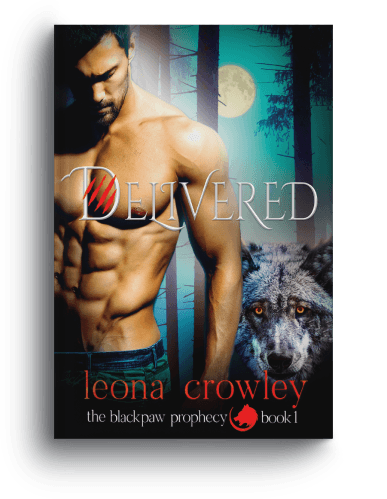
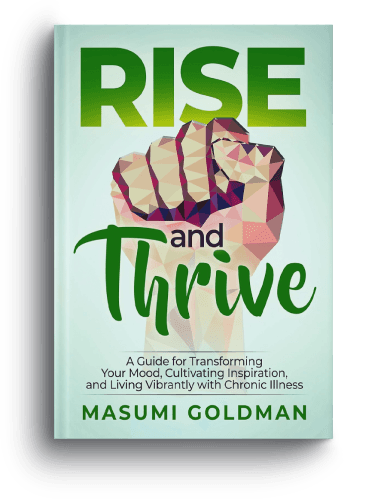
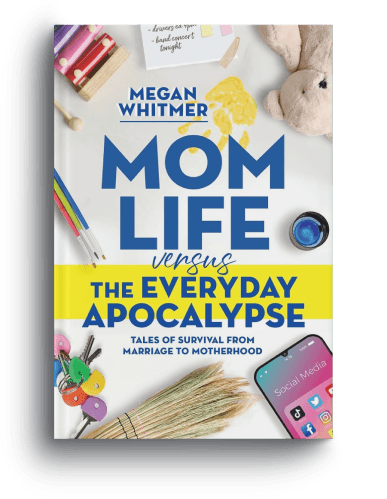
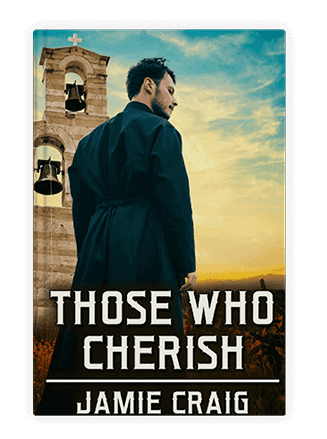
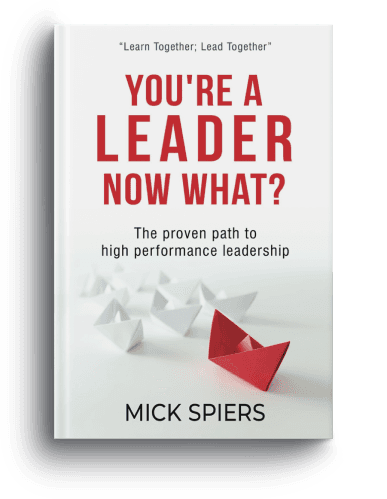
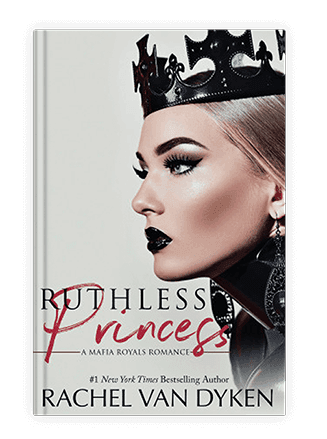
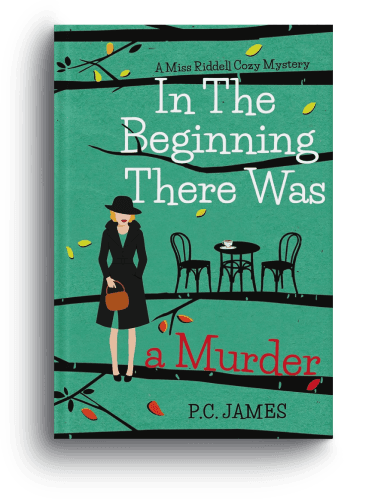
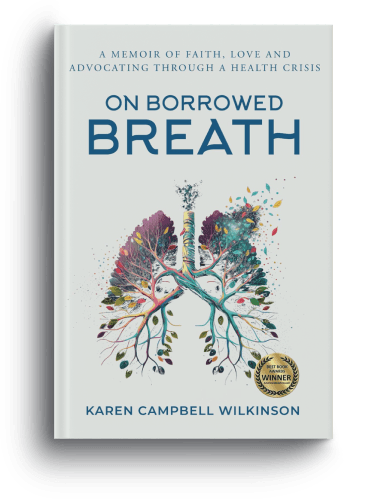
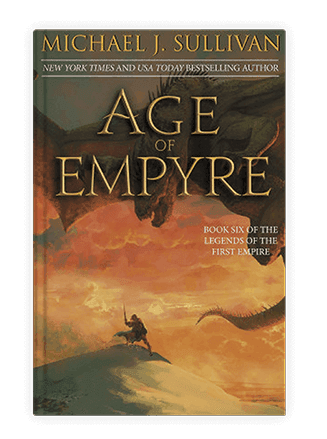
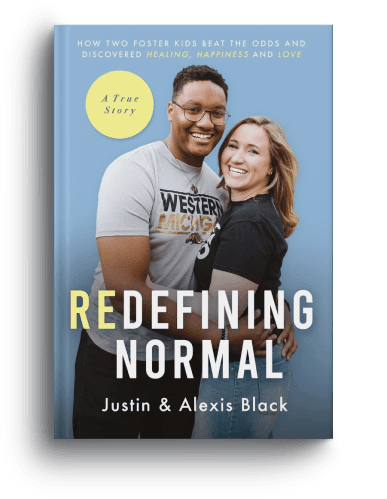
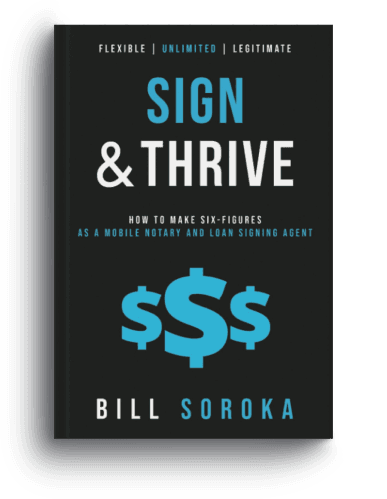
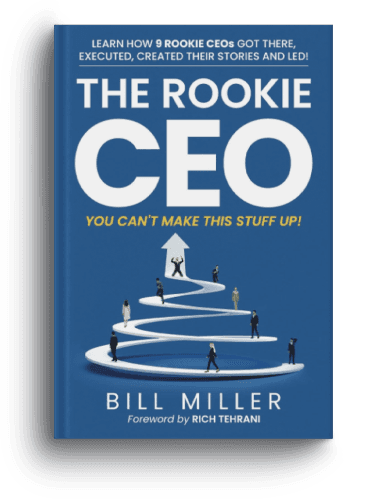
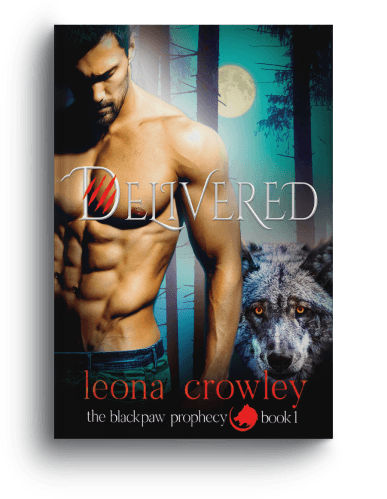
Behold Our Portfolio of Masterpieces
Every book we publish represents our uncompromising commitment to quality. Here are some of our best-selling titles.










Your questions
Author Website Questions.
Direct Answers.
Do I need a website if I'm already on social media and Amazon?
Yes, for two specific reasons. First, social media algorithms can reduce your reach to near-zero without warning, and Amazon controls how readers see your author profile. Your website is the only platform you control completely. Second, press, media, and event organizers consistently say they move on if they can't find a professional author's website. These opportunities are lost silently, and you never know they existed.
Should I have a website before or after publishing my first book?
Before, ideally 2–3 months before. A pre-launch website lets you start building your email list before your book exists, so you have readers ready to buy and review on launch day rather than starting from scratch. A website built the week your book publishes misses the pre-launch window entirely.
How much does an author website cost?
Author websites are priced by scope and platform; as a guide, a complete 5-page WordPress author website costs $1,200–$2,500, and a Squarespace website costs $900–$1,800. Additional book pages, a press kit, blog setup, and eCommerce integration add to the scope. We provide a transparent, itemized quote after the free consultation, so you know exactly what you're getting before you pay any deposit.
Can I update the website myself after it's built?
Yes, and this is a core requirement for us. Every website we build comes with a video training session and a written guide covering common updates you'll need to make: adding a new book, posting a blog entry, updating your events page, and changing your bio. You should not need us for routine maintenance. The 30-day support period covers anything that doesn't work as expected post-launch.
What platform should I use for my author website?
It depends on your situation. WordPress offers the most control and SEO capability, but requires slightly more setup. Squarespace is easier to maintain independently and looks consistently professional with less technical overhead. Wix is the most beginner-accessible but the least flexible for SEO and growth. We advise on the right choice during the free consultation based on your career stage, technical comfort level, and long-term ambitions.
What if I already have a website that isn't working well?
We offer website audits for existing author sites, assessing what's missing, what's underperforming, and whether a redesign or a series of targeted improvements is the better investment. Sometimes a website needs a full rebuild; sometimes, just five specific fixes and proper email integration. We tell you honestly which situation you're in.



Your Readers Are Already Looking
for You. Be There When They Do.
Get a free author website consultation, we'll discuss your genre, your career stage, your content, and your goals, and come back with a specific proposal and transparent quote for the website your author career deserves.
Free consultation · Transparent quote · You own everything we build
Start your website project
Tell Us About
Your Author Career
Start the conversation
Share your genre, your current online presence, and what you want your website to achieve. We'll come back within one business day with an initial assessment and a proposal, with a transparent quote and a specific timeline.
Call us
+1 (929) 684 2021
Email us
hello@bookeunoia.com
Response time
Within 1 business day
By submitting, you agree to our Privacy Policy. We never share your details with third parties.