BookEunoia
Book Editing Services
Your Manuscript,
Made Publication-Ready.
Your Voice, Preserved.
The gap between a manuscript you're proud of and a book readers trust is almost always editing. Not grammar correction, structural clarity, narrative flow, and the sentence-level polish that tells every reader a professional made this book. Our genre-specialist editors strengthen your manuscript without changing the way it sounds, because your voice is the point.
Free
SampleEdit
4
EditingTypes
100%
VoicePreserved
No royalty splits, ever
No hidden fees
Global Distribution
Free consultation, no commitment
What professional editing actually does
Before, First draft
"The meeting was very long and boring and nobody really wanted to be there and John who was the CEO kept talking and talking about the Q3 numbers which nobody understood anyway."
↓
After, Line edited
"The Q3 review stretched past two hours. John's enthusiasm for the numbers was, charitably, his alone, the rest of the room had stopped taking notes by slide four."
Same information. Same voice. Better writing. That's line editing.
✍️ Genre-Specialist Editors🎯 Voice Preserved, Not Overwritten📋 Tracked Changes in Your Document🔄 Editorial Report with Every Project⚡ Free 1,000-Word Sample Edit
✍️ Genre-Specialist Editors🎯 Voice Preserved, Not Overwritten📋 Tracked Changes in Your Document🔄 Editorial Report with Every Project⚡ Free 1,000-Word Sample Edit
The honest case for editing
What Happens to Books
That Skip Professional Editing
Before every author decides whether to invest in editing, these are the outcomes that data and reader behavior consistently show for unedited self-published books.
⭐
1-Star Reviews Citing Quality
The most common complaint in 1-star reviews of self-published books is not the story; it's the writing quality. Grammar errors, confusing structure, and pacing problems are cited repeatedly by readers who return books and leave negative reviews, permanently damaging discoverability.
67%
Of the 1-star reviews mention writing/editing quality.
📉
Damaged Amazon Ranking
Amazon's algorithm responds to return rates and review sentiment. A book with structural problems generates returns. Returns a poor-quality signal to the algorithm. Poor-quality signals reduce visibility in search results, creating a compounding problem that becomes harder to reverse the longer the book remains live with those signals attached.
3×
Higher return rate for unedited versus edited titles
🚫
Library and Bookshop Rejection
Libraries and independent bookshops evaluate self-published titles before stocking them. Unedited manuscripts are rejected at the first review, and once a title is rejected from a library system, re-submitting a corrected version is difficult. The first submission establishes the relationship.
First
Submission is what matters to librarians.
💡
Editing is not an optional polish; it's the foundation of reader trust
Readers don't consciously think "this book is unedited." They think, "This book is hard to follow" or "Something about this doesn't feel professional." They don't finish it. They don't recommend it. They don't buy the next one. Professional editing is not about your pride in your manuscript; it's about the reader's experience of it.
The four editing types
Understanding the Editing Hierarchy
Before You Commission Anything
Most authors arrive thinking editing means grammar correction. Professional editing is a four-stage process, each addressing a different level of the manuscript, and each must happen in the right order.
1Developmental EditingBig-picture story structure, argument flow, and overall coherenceFirst, full draft complete
Developmental Editing
Big-picture story structure, argument flow, and overall coherence
Developmental editing addresses the highest level of your manuscript, the architecture. Does the book have a clear through-line? Is the chapter order logical? Are there structural problems that make the whole book harder to follow? For fiction, this means story structure, character arcs, pacing, and plot logic. For non-fiction, it means argument structure, chapter coherence, and whether the book delivers on its stated promise. This is the stage that prevents you from line-editing a book that needs restructuring.
What you receive
- Comprehensive editorial report (12–25 pages)
- Chapter-by-chapter structural notes
- Annotated manuscript with high-level comments
- Prioritized revision checklist
- Optional follow-up call to discuss the report
2Structural EditingChapter-level organization, flow between sections, and scene-level pacingSecond, after developmental revisions
Structural Editing
Chapter-level organization, flow between sections, and scene-level pacing
Structural editing sits between developmental and line editing; it addresses the mid-level of the manuscript where chapters don't quite flow into each other, transitions feel abrupt, or individual sections need reordering. It's the editing stage most authors skip, and the one that most often explains why a manuscript that has good ideas still doesn't quite read smoothly.
What you receive
- Section-by-section structural notes
- Transition and flow recommendations
- Annotated manuscript with inline suggestions
- Revised chapter outline if restructuring is needed
3Line EditingSentence-level clarity, rhythm, word choice, and prose qualityThird, the structure is finalized
Line Editing
Sentence-level clarity, rhythm, word choice, and prose quality
Line editing works at the sentence and paragraph level, transforming readable prose into compelling prose. It addresses awkward phrasing, repetitive sentence structures, unclear transitions, vocabulary choices, dialogue quality, and the rhythm of your writing. This is the editing stage that readers feel, even when they can't name it; the difference between a book that reads smoothly and one that requires effort.
What you receive
- Fully annotated manuscript with tracked changes
- Inline suggestions and alternatives (you accept or reject each)
- Marginal comments explaining the reasoning
- Style notes for consistency going forward
4Copy Editing & ProofreadingGrammar, punctuation, spelling, consistency, and factual accuracyLast, content finalized
Copy Editing & Proofreading
Grammar, punctuation, spelling, consistency, and factual accuracy
Copy editing catches grammatical errors, punctuation mistakes, spelling inconsistencies, timeline errors, character name inconsistencies, and factual discrepancies. Proofreading is the final pass that catches what copy editing missed; it is the last human eye on the manuscript before it goes to print. These two stages are last because there is no point in fixing grammar in a passage that may be restructured or removed.
What you receive
- Clean manuscript with all errors corrected
- Style sheet documenting all editorial decisions
- Query list for any author decisions required
- Print-ready manuscript on final proofread pass
Not sure which stage your manuscript needs? Share the first 1,000 words with us, and we'll assess your manuscript and recommend the right editing stage, honestly and without obligation. If your book only needs copy editing, we'll tell you that rather than recommend developmental editing you don't need.
Your voice, protected
"Will an Editor Change
the Way My Book Sounds?"
🎙️
We edit in your style, not ours
Every editorial suggestion is made in the context of how you write, not how a generic professional document would read. We preserve your vocabulary, your sentence rhythm, your sense of humor, and your particular way of building to a point.
✅
Tracked changes; you accept or reject everything
Every suggestion we make is delivered as a tracked change or marginal comment in your document. Nothing is made permanent without your explicit acceptance. You remain the final decision-maker on every word that stays or changes.
📖
We read the whole manuscript before editing
Your editor reads your entire manuscript before marking a single change, so that every editorial decision is made in the context of your whole book, not just the paragraph they're currently in. Voice inconsistencies are caught; intentional stylistic choices are preserved.
💬
The editorial report explains the reasoning
You receive a written editorial report alongside the annotated manuscript, explaining why each significant change or suggestion was made. Understanding the reasoning lets you make informed decisions rather than feeling pressured to accept changes unquestioningly.
The fear of editing is usually a fear of losing ownership of your work
The concern is understandable. You've spent months or years writing this book. The last thing you want is to receive it back sounding like someone else wrote it. A good editor doesn't replace your voice; they clear away everything that obscures it.
What editing removes is the friction: the awkward phrasing that makes readers slow down, the unclear sentence that breaks their concentration, the structural wobble that makes them question whether they're following the argument. When those things are fixed, your voice doesn't disappear. It becomes more itself.
Our voice preservation commitment
- Your editor reads the complete manuscript before editing begins
- All suggestions are delivered as tracked changes; nothing is permanent without your approval
- Marginal comments explain the reasoning behind every significant suggestion
- A style sheet is maintained throughout, recording your intentional vocabulary and stylistic choices
- Post-edit call available to discuss any suggestions you're uncertain about
- Free re-edit of any section where you feel your voice has been compromised
How it works
From Manuscript Submission
to Publication-Ready Draft
A clear, collaborative editing process where you are involved at every stage and nothing is imposed without your agreement.
1
Manuscript Assessment
We review your manuscript and recommend the right editing stage; no upselling, no padding the scope.
⏱ 2–3 days
2
Editor Matching
We assign a genre-specialist editor whose background matches your book's category and target audience.
⏱ 1–2 days
3
Brief & Kick-off
Your editor reads the full manuscript and conducts a brief call to understand your vision, goals, and concerns before marking a single change.
⏱ 1 week
4
Editing & Report
Full edit delivered with annotated manuscript, editorial report, and style sheet. Review and revision rounds included.
⏱ 2–4 weeks
5
Final Delivery
Clean, publication-ready manuscript with style sheet and production notes, ready for formatting, design, and publishing.
⏱ Final sign-off
📄
Annotated Manuscript
Your document returned with all changes as tracked edits and marginal comments, reviewed and accepted or rejected by you, one by one.
📊
Editorial Report
A written summary of the manuscript's strengths, the key issues addressed, the reasoning behind significant changes, and recommendations for revision rounds.
📋
Style Sheet
A record of all stylistic decisions made during editing, your intentional vocabulary choices, character name spellings, formatting conventions, and house style decisions.
Genre specialists
Your Manuscript Edited by Someone
Who Knows Your Genre
A business book and a thriller require entirely different editorial sensibilities. We match every manuscript with an editor who has specific experience in that genre's conventions, reader expectations, and publishing standards.
🏢
Business & Leadership
Editors who understand authority-building structure, how to make expertise accessible without losing depth, and what business readers expect from a chapter's argument and payoff.
Argument clarity · Framework structure🎭
Fiction; Literary & Commercial
Developmental editors who understand story structure, character arc, pacing, dialogue, point of view, and the genre-specific conventions of literary, commercial, thriller, romance, and speculative fiction.
Story structure · Character arc · Pacing💭
Memoir & Personal Narrative
Editors experienced in the particular challenges of memoir, how to structure a life story for readers who weren't there, how to balance scene and reflection, and how to handle sensitive material with the care it requires.
Life narrative structure · Scene vs reflection🌱
Self-Help & Personal Development
Editors who understand the specific structure of effective self-help, how to balance aspiration and practicality, how to build reader trust through credibility, and how to structure actionable frameworks that work in print.
Actionable structure · Reader journey🔬
Expert & Professional Non-Fiction
Editors who can work with complex, specialist subject matter, ensuring accuracy is preserved while making the content accessible to the general reader audience the book is written for.
Technical accuracy · General accessibility👧
Children's & Young Adult
Editors experienced in age-appropriate vocabulary and reading level requirements, pacing for young readers, the interplay between text and illustration in picture books, and the specific conventions of MG and YA fiction.
Reading level · Age-appropriate pacingThe difference it makes
Professionally Edited vs
Published Without Editing
What readers, reviewers, and distribution platforms actually experience, and how it affects your book's long-term performance.
✓ Professionally edited manuscript
What readers and platforms experience
- Reads smoothly and professionally from the first page, and establishes immediate trust
- Structure is clear: readers always know where they are in the argument or story
- Reviews focus on the content, not the writing quality
- Lower return rates; readers finish what they start
- Library and bookshop buyers take the submission seriously
- Author credibility is established, not questioned
- Positive word-of-mouth that compounds over time
- Platform for a second book built on a strong foundation
✗ Published without professional editing
What readers and platforms experience
- Early reviews cite writing quality, which permanently affects the average star rating.
- Structural confusion causes readers to abandon the book mid-way
- Higher return rates feed Amazon's algorithm with negative signals
- Library submissions rejected at first review, difficult to resubmit
- Readers hesitate to recommend a book they had to work to follow
- Author credibility is questioned before the content is even evaluated
- Problems become harder to fix once the book is live with reviews attached
- The second book starts with a damaged reputation to overcome
Author experiences
What Professional Editing
Actually Changed
Three authors discuss what the editing process looked like in practice, and what the result meant for their books.
★★★★★
I was convinced my manuscript was nearly ready. The developmental edit revealed that my first three chapters were actually backstory; the book really started on page 47. Painful to hear, but it was right. The restructured version is objectively a better book, and the early reviews have confirmed it.
DK
David K.
Thriller author, Sydney, Australia
Developmental Edit★★★★★
I was terrified the editor would change the voice, my book is very personal and I write the way I speak. She didn't. What she did was remove the sentences where I was getting in my own way, the repetitions, the overlong explanations. The book sounds more like me after editing, not less.
FO
Frances O.
Memoir author, Dublin, Ireland
Line Edit★★★★★
My business book was well-researched, but the copy edit revealed 34 factual inconsistencies, dates, statistics I'd updated in one place but not another, and a company name spelled three different ways. None of these would have survived a professional publisher. I caught them before readers did.
PL
Priya L.
Business author, Manchester, UK
Copy EditCommon questions
Book Editing Questions.
Straight Answers.
The questions every author asks before commissioning an edit.
Q: Which type of editing does my manuscript need?
The honest answer depends on where your manuscript is. If the structure isn't clear yet, start with developmental editing; copy editing a structurally flawed manuscript is wasted effort. If the big-picture structure is solid but the writing needs polish, line editing is the priority. If the prose is strong, copyediting and proofreading are your final stages. Share 1,000 words with us, and we'll assess it honestly at no cost.
Q: Will the editor change the way my book sounds?
A good editor doesn't replace your voice; they protect it. Every change is delivered as a tracked suggestion that you accept or reject. Nothing is made permanent without your approval. Your editor reads the full manuscript before editing begins, specifically to understand your intentional stylistic choices so they aren't 'corrected' away.
Q: How much does professional book editing cost?
Word count and editing type determine the price. As a guide: developmental editing typically ranges from $0.02–$0.05 per word (around $499–$4,000 for a 25,000-word manuscript); line editing $0.015–$0.04 per word; copy editing $0.01–$0.025 per word. We provide a transparent, itemized quote after the free manuscript assessment.
Q: How long does editing take?
For a full-length manuscript (60,000–80,000 words), typically 2–4 weeks for developmental editing, 2–3 weeks for line editing, and 1–2 weeks for copy editing. Rush turnarounds are available with advance notice. We provide a specific timeline during the manuscript assessment, never a vague estimate.
Q: Do I need all four editing types?
Not always, and we won't tell you that you do if you don't. A first draft needs developmental editing first. A structurally sound manuscript from an experienced author may only need line editing and copy editing. A near-publication-ready manuscript may only need proofreading. We assess your manuscript honestly and recommend only what it needs.
Q: What is the free sample edit?
We edit the first 1,000 words of your manuscript at no cost, applying whatever editing stage is most relevant to your manuscript's current state. This gives you a direct experience of how your editor works, what tracked changes look like in your document, and what the editorial report style feels like, before you commit to the full project.
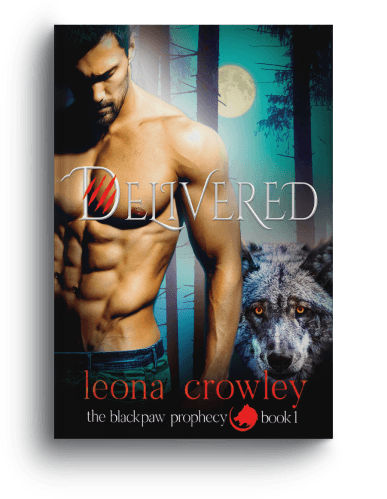
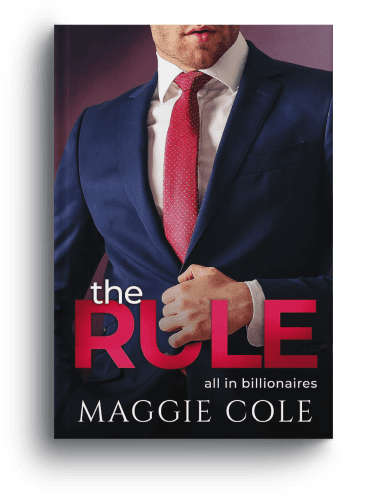
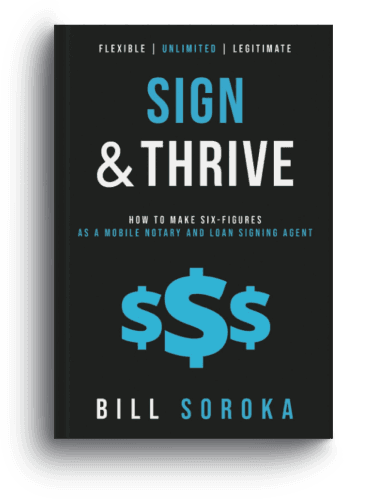
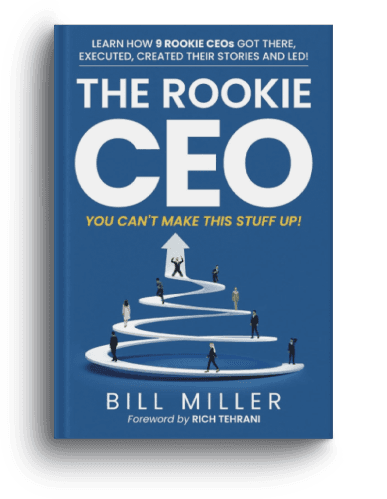
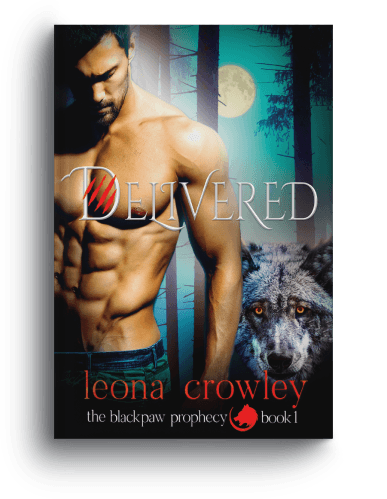
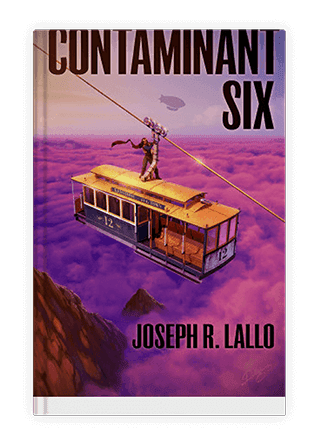
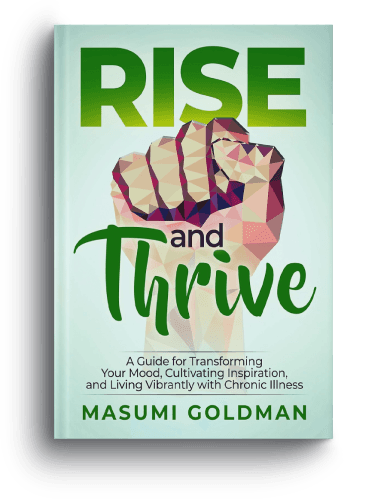
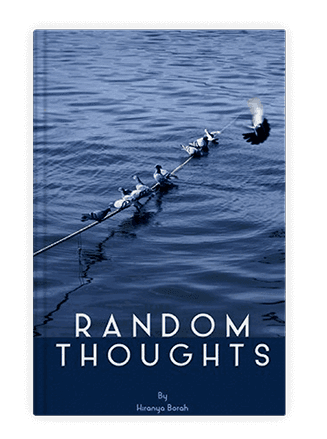
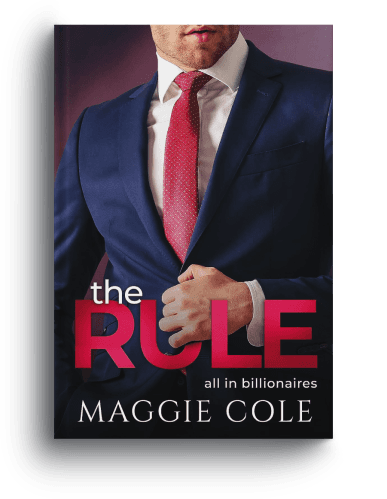
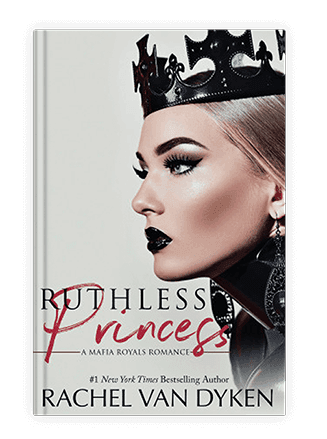
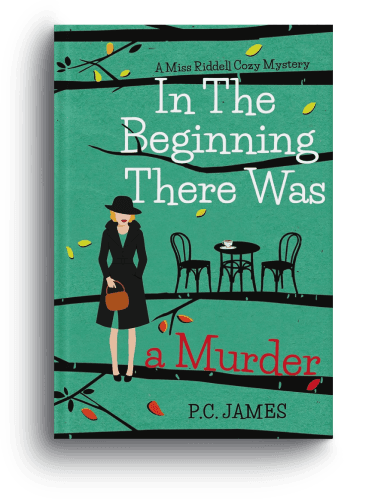
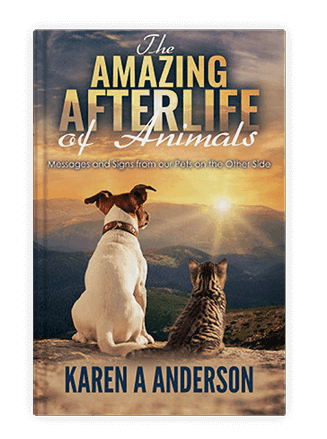
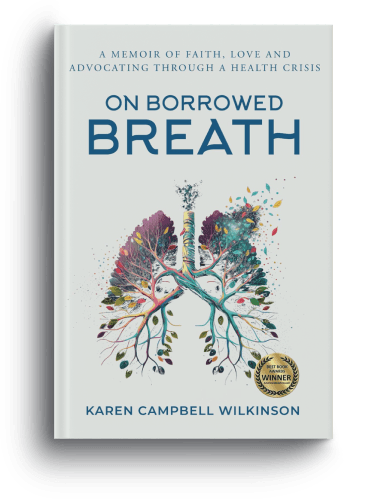
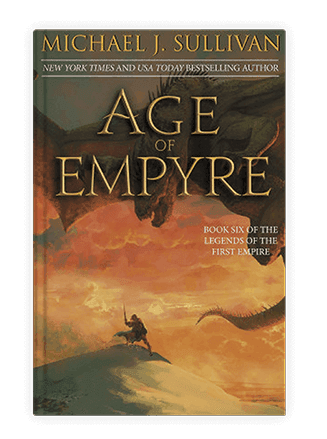
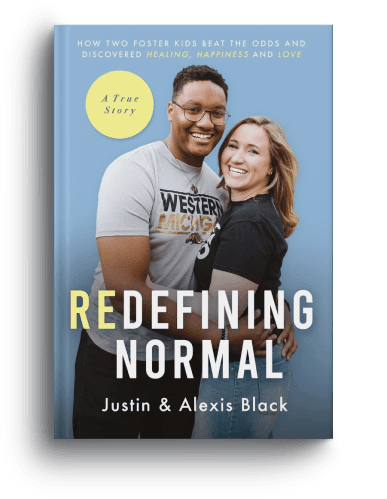
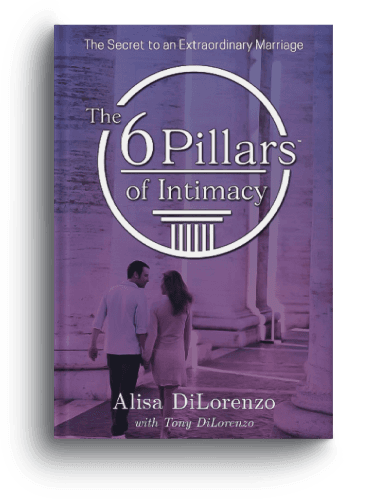
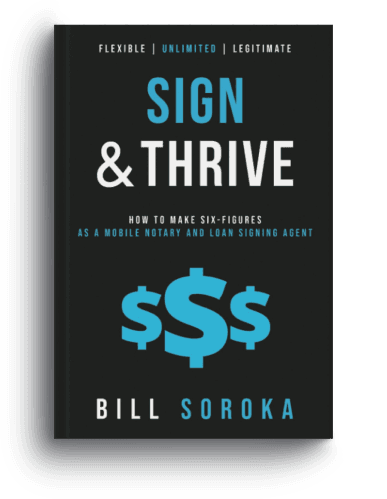
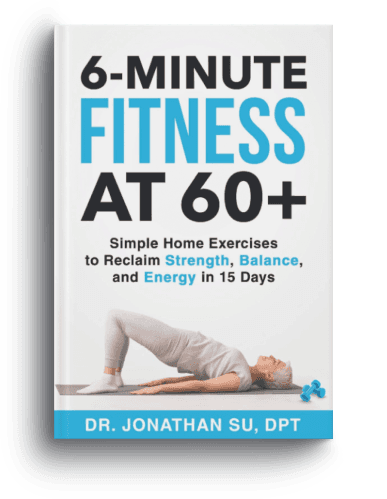
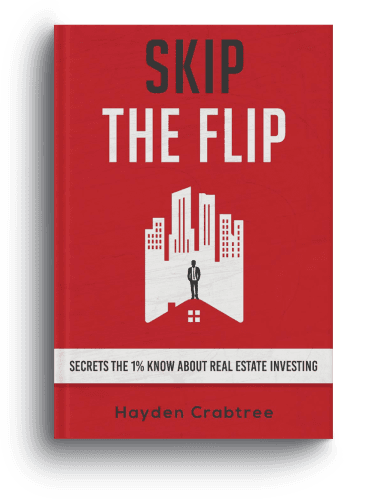
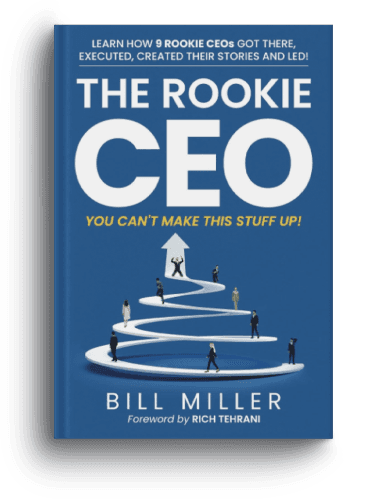
Our Work
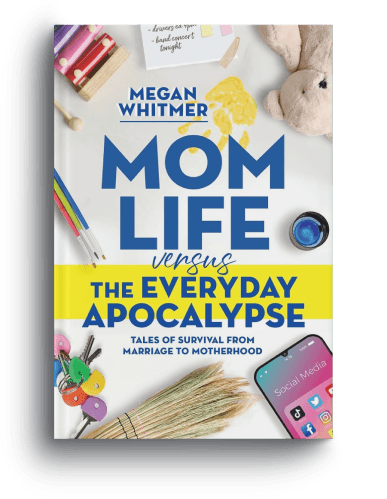
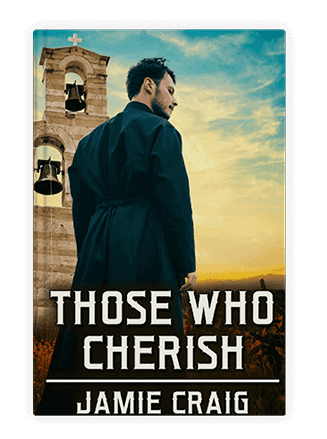
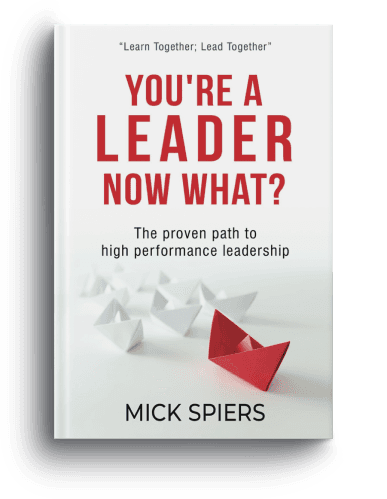
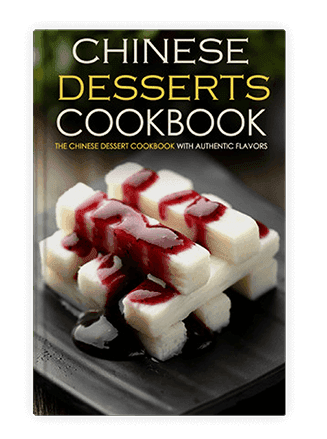
Behold Our Portfolio of Masterpieces
Every book we publish represents our uncompromising commitment to quality. Here are some of our best-selling titles.


Your Manuscript Deserves
a Professional Read.
Start with a free 1,000-word sample edit; no commitment, no obligation. See exactly how your editor works, what the tracked changes look like, and what the editorial report feels like before you decide whether to proceed.
No commitment required. First 1,000 words edited free. Response within 1 business day.
Start your edit
Tell Us About
Your Manuscript
Share a little about your manuscript and where you are in the process. We'll assess the first 1,000 words free, recommend the right editing stage, and come back to you within one business day with a clear, honest quote.
📞
Call us
+1 (929) 684 2021
✉️
Email us
hello@bookeunoia.com
🕐
Response time
Within 1 business day