BookEunoia
Proofreading Services
The Last Line of Defence
Before Your Book Meets
It's First Reader.
You've written it. You've edited it. You've read it so many times that the words have lost all meaning. That's the problem. Your brain reads what it intended to write, not what's actually there. Professional proofreading is the final, fresh-eyes check that catches what familiarity made invisible, every error, inconsistency, and formatting slip that would otherwise reach your reader.
140+
ErrorsCaught
2×
ProofreadPasses
100%
HumanReview
No royalty splits, ever
No hidden fees
Global Distribution
Free consultation, no commitment
Typical errors in a 70,000-word manuscriptAfter author self-review
Spelling errors
47
Punctuation errors
34
Consistency issues
28
Formatting errors
19
Grammar errors
12
Errors remaining after self-review140+
Industry average. Most authors self-review 3–4 times and still miss the majority of these.
👁Human Proofreader No Automated Tools Only
📋Tracked Changes in Your Document
⚡3–7 Business Day Turnaround
🔄Pre & Post-Format Available
📖Style Sheet Maintained
👁Human Proofreader No Automated Tools Only
📋Tracked Changes in Your Document
⚡3–7 Business Day Turnaround
🔄Pre & Post-Format Available
📖Style Sheet Maintained
Why authors can't proofread themselves
Your Brain Reads What It Meant to Write.
Not What's Actually There.
The error your eyes skip, every time
"The detective crossed the the room and examined the body. She new immediately that something was wrong; the body had been stared at from above."
↓ professional proofread ↓
"The detective crossed the room and examined the body. She knew immediately that something was wrong; the body had been stared at from above."
Errors found: duplicate "the", wrong homophone "new/knew", word "stared" is actually correct here, confirming intentional language preserved.
Errors found: duplicate "the", wrong homophone "new/knew", word "stared" is actually correct here, confirming intentional language preserved.
The duplicate "the" is invisible to most readers, including the author. Your brain fills it in automatically.
The cognitive reason you need a proofreader
When you wrote your manuscript, your brain encoded exactly what you meant to say. Now, when you read it back, your brain isn't reading the text; it's reading its memory of your intention. It fills in the missing words, skips the duplicated ones, and reads the right homophone even when you typed the wrong one.
This is not a sign that you're a careless writer. It's a physiological feature of human cognition. Researchers call it "proofreading blindness"; the closer you are to the original writing, the more pronounced the effect. Professional proofreaders are effective precisely because they have no prior knowledge of what you intended to write.
Resting for weeks between drafts helps, but it doesn't solve the problem. Only a genuinely fresh pair of trained eyes reads what's actually there.
💡 "But I already ran Grammarly / spell-check..."
- Spell-checkers miss correctly spelled words used wrongly, "their/there/they're", "stared/starred", "principle/principal"
- Grammarly misses duplicate words, missing words, and paragraph-level consistency issues
- AI tools flag intentional stylistic choices as errors and miss culturally specific usage
- No automated tool reads for formatting, spacing, header consistency, and chapter numbering.
- Automated tools have no memory of your character names, invented terminology, or style decisions from earlier in the manuscript
What proofreading catches
Every Error Category
A Professional Proofreader Checks
Proofreading is the most detailed and precise editorial stage, working at the word, sentence, and formatting level across every page of your manuscript.
📝
Spelling & Typographical
Every word checked against your chosen style guide, UK or US English, including correctly spelled words used incorrectly (homophones), and words your spell-checker flagged as correct when they're not.
- their/there/they're, affect/effect, principle/principal
- stared/starred, lead/led, compliment/complement
- Proper noun capitalization and consistency
- Hyphenation consistency across the manuscript
🔤
Grammar & Syntax
Subject-verb agreement, tense consistency, dangling modifiers, pronoun reference clarity, and sentence construction errors that read clearly aloud but parse incorrectly on the page.
- Tense shifts within scenes or chapters
- Subject-verb disagreement in complex sentences
- Dangling or misplaced modifiers
- Sentence fragments are used unintentionally
🔣
Punctuation
Comma usage, apostrophe placement, quotation mark consistency, ellipsis formatting, dash usage (em vs en), and dialogue punctuation, applying your chosen style guide consistently throughout.
- Missing or misplaced apostrophes
- Inconsistent dialogue punctuation
- Em dash vs en dash vs hyphen confusion
- Oxford comma consistency per style guide
🔁
Consistency & Continuity
Character name spellings, place name consistency, timeline accuracy, fact-checking against the manuscript's own established details, and style decisions made once but not carried through.
- The character's name is spelled differently across chapters.
- Timeline or chronology inconsistencies
- Invented term or proper noun capitalization
- Numbers: when to spell out vs use numerals
📐
Formatting & Layout
Header hierarchy, chapter title formatting, paragraph spacing, page number placement, running header consistency, font application, and any formatting irregularities introduced during editing or layout that the compositor may have missed.
- Inconsistent chapter heading formatting
- Widows and orphans (on formatted proofs)
- Paragraph spacing inconsistencies
- Section break formatting
📏
Style Guide Adherence
Whether you're following the Chicago Manual of Style, AP, APA, Oxford Style Guide, or a custom house style, we apply it consistently from the first word to the last, including your own intentional departures from it.
- UK vs US English applied consistently
- Date and number formatting per guide
- Citation and reference format (if applicable)
- Your intentional style choices are documented and preserved
Proofreading does
- Correct all spelling, grammar, and punctuation errors
- Flag and fix consistency issues across the manuscript
- Apply your chosen style guide throughout
- Check all formatting for consistency
- Verify character names, places, and timeline consistency
- Maintain a style sheet of your intentional choices
- Deliver tracked changes for your review and approval
Proofreading does not
- Restructure chapters or reorder content
- Rewrite sentences for clarity or prose quality
- Provide editorial feedback on the story or the argument
- Address pacing, voice, or narrative concerns
- Replace developmental, structural, or line editing
- Fact-check external claims or research sources
Two types of proofreading
Pre-Format vs Post-Format:
Both Serve a Different Purpose
Most authors don't know there are two distinct proofreading stages, and that both have genuine value. Here's exactly what each covers and when each is appropriate.
Stage 1; Before formatting
Manuscript Proofreading
Proofreading your manuscript before it goes to a formatter or designer. This is the right stage if your manuscript is content-complete and you want a clean file to hand off for layout, with all text-level errors resolved before the design process begins.
- All spelling, grammar, and punctuation errors corrected
- Consistency review across the full manuscript
- Style guide applied throughout
- Delivered as a clean Word document with tracked changes
- Reduces design re-work caused by late text corrections
Stage 2; After formatting
Proof Proofreading
Proofreading the formatted proof, the PDF or InDesign file that represents what your book will actually look like when printed or rendered as an eBook. This catches formatting errors introduced during layout that cannot be seen in a Word document.
- Formatting inconsistencies, headers, spacing, and fonts
- Widows and orphans (words or lines stranded at page breaks)
- Running headers and footer accuracy
- Page numbering and chapter break errors
- Any text errors introduced during the design process
Our recommendation: For most self-publishing authors, proofreading the manuscript before formatting is the most important stage, as it ensures your formatter receives clean text. For maximum quality assurance, follow up with a proofreading pass after layout is complete. We can provide both as part of a single project.
How it works
From Manuscript Submission
to Print-Ready Clean File
A clear, efficient process designed for authors who are ready to publish, with a fast, reliable turnaround and full transparency on every change made.
1
Submission & Brief
You submit your manuscript and share any specific requirements: UK or US English, preferred style guide (Chicago, APA, Oxford, etc.), any intentional departures from standard style you want preserved, and any known areas of concern. The brief takes 5 minutes and prevents re-work.
Day 1Written project brief confirmed2
First Proofreader Pass
Your proofreader reads the complete manuscript from start to finish, without a word count target per hour, without skimming, marking every error, inconsistency, and query as a tracked change or marginal comment. First-pass turnaround for a standard 70,000-word manuscript is typically 3–4 business days.
Days 2–5 (varies by word count)Annotated manuscript returned3
Author Review
You review every tracked change and comment. Accept what you agree with, reject what you don't. Each suggestion is clearly explained. If you have questions about any change, you can query the proofreader directly. Nothing is permanent until you accept it.
Your pace, typically 1–3 daysClean accepted manuscript4
Final Quality Check
After you've accepted changes and resolved all queries, your proofreader performs a final read-through of the clean manuscript, confirming no new errors were introduced during the acceptance process and that all outstanding queries are resolved. This pass is included in every project.
1 business dayFinal clean manuscript5
Style Sheet & Sign-Off Delivery
You receive your final clean manuscript, a complete style sheet documenting every editorial decision made (for use in future editions or sequels), and confirmation that the manuscript is ready for formatting, design, and publication. Your proofreading project is complete.
Final deliveryPublication-ready manuscript + style sheetSetting clear expectations
Proofreading is Not Editing.
Understanding the Difference Matters.
These two services are frequently confused, and commissioning the wrong one at the wrong stage costs time and money. Here's exactly what distinguishes them.
✅
Proofreading is the right service if...
Your manuscript is content-complete, has already undergone structural and line editing, and you're confident in its writing quality; you just need a thorough final check before it goes to a formatter or printer.
- Your manuscript has been through developmental or line editing already
- You're satisfied with the structure, voice, and prose quality
- You're preparing to hand the manuscript to a formatter or designer
- You want to catch all remaining surface errors before publication
- You have a formatted proof (PDF) you want checked before printing
⚠️
You may need editing first if...
If your manuscript has structural problems, writing quality concerns, or unclear prose, proofreading won't fix those. Polishing the surface of a manuscript that needs structural work is a costly mistake. Editing always comes before proofreading.
- The manuscript hasn't been through line or copy editing yet
- You're unsure whether the structure or flow works
- Early readers have said the writing feels rough or unclear
- There are still content gaps or unresolved chapter issues
- You're not confident that the book is ready for a formatter
Not sure which stage you need? Share the first 1,000 words of your manuscript with us. We'll assess it honestly and tell you whether proofreading alone is appropriate, or whether editing would serve you better first, at no cost and with no obligation to proceed.
Turnaround & pricing
Fast, Reliable Turnaround.
Transparent Pricing.
Word count calculates proofreading timelines. Every project receives a confirmed delivery date before work begins, never an estimate that shifts without notice.
Short
Under 30,000 words
3
business days standard
1-day rush availableStandard
30,000–80,000 words
5–7
business days standard
2-day rush availableFull-Length
80,000–120,000 words
7–10
business days standard
Rush available on requestStandard proofreading rate
$0.008–$0.015 per word
A 70,000-word manuscript typically costs $560–$1,050.
Exact quote provided after manuscript assessment.
Get My Exact QuoteExact quote provided after manuscript assessment.
Author experiences
What the Final Pass
Actually Found
Three authors discuss what professional proofreading caught after multiple self-reviews, and what it meant for their finished book.
★★★★★
"I had read my manuscript twelve times. Twelve. The proofreader found 87 errors I had completely missed, including my protagonist's name spelled two different ways in chapter 14, a duplicate paragraph I'd accidentally left in during editing, and 23 comma errors that had slipped through a previous copy edit. The twelve reads weren't wasted, but they weren't enough."
KJ
Kathryn J.
Fiction author, Toronto, Canada
Novel Proofreading★★★★★
"My business book had already been through professional copy editing. I was confident it was clean. The proofreading pass on the formatted PDF caught 31 additional errors, most of them formatting issues introduced during layout that I would never have seen in the Word document, and three genuinely new text errors. Worth every penny."
MB
Marcus B.
Business author, Birmingham, UK
Formatted Proof Check★★★★★
"I was surprised by how specific the proofreader was about preserving my intentional choices. She documented every UK spelling I was keeping, even though my publisher prefers US English, every sentence fragment I'd used for deliberate effect, and every name I'd capitalized unusually. The style sheet she delivered is worth keeping for any future edition."
SR
Susannah R.
Memoir author, Edinburgh, Scotland
Memoir ProofreadingOur Work
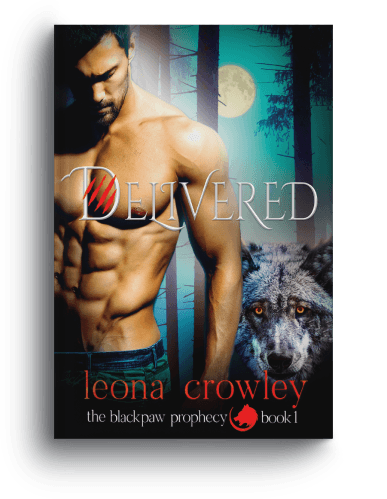
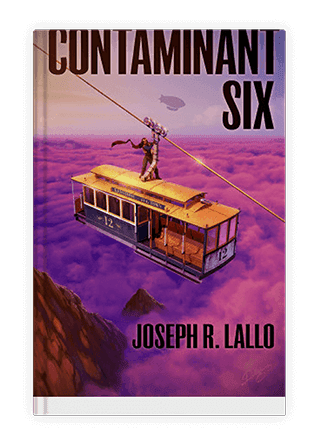
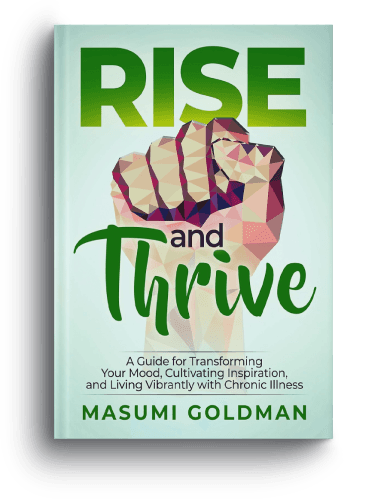
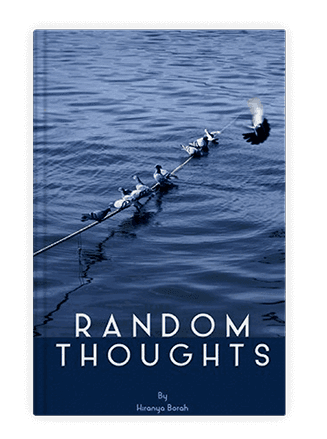
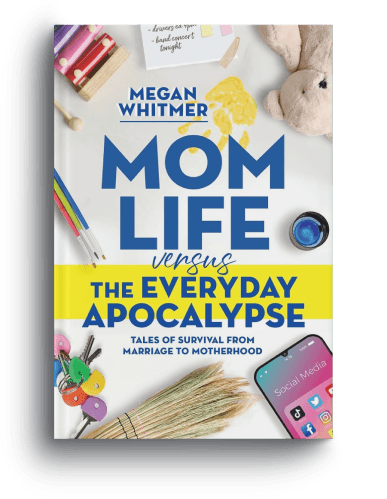
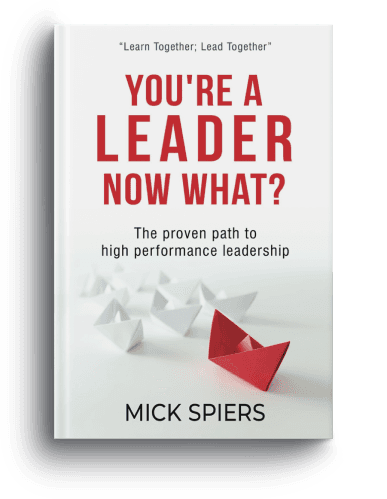
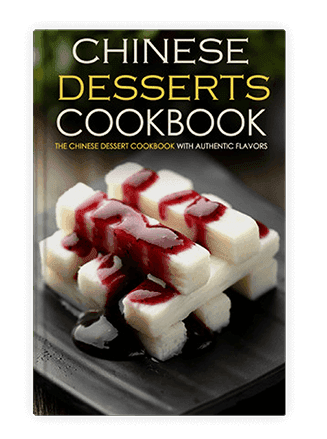
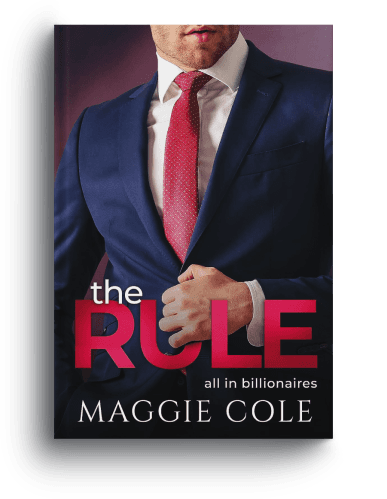
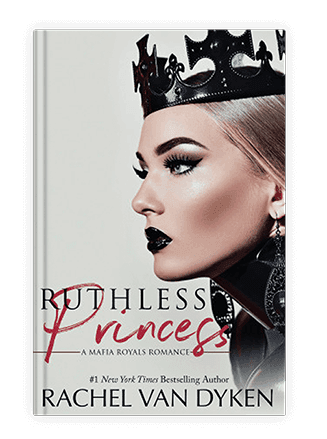
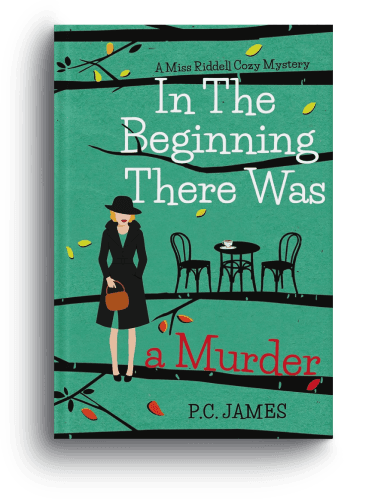
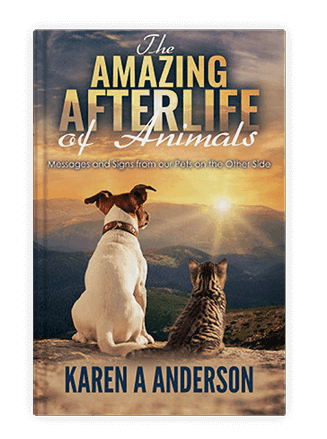
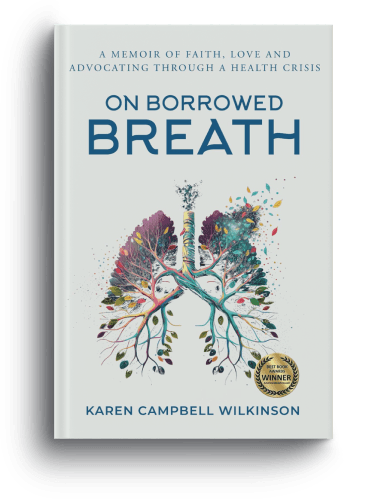
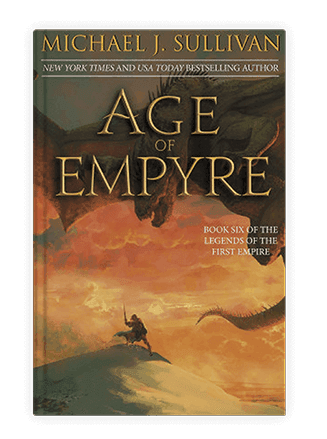
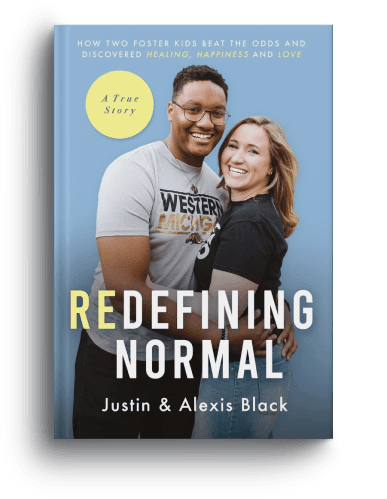
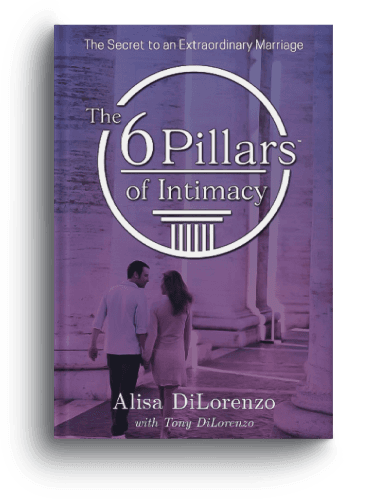
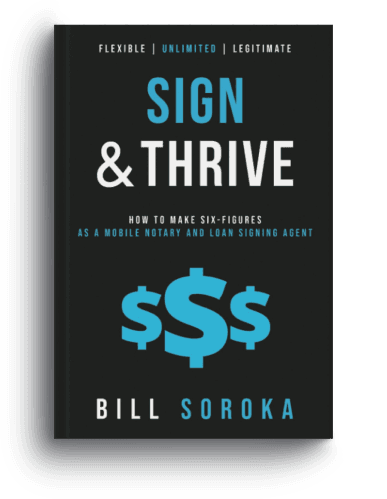
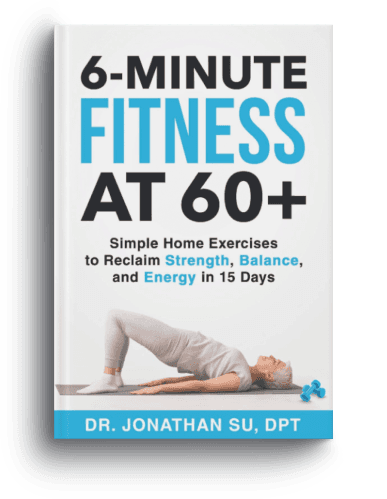
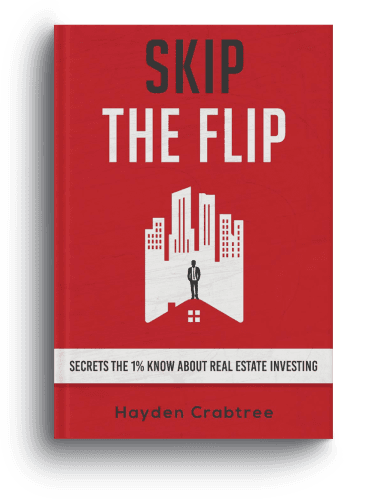
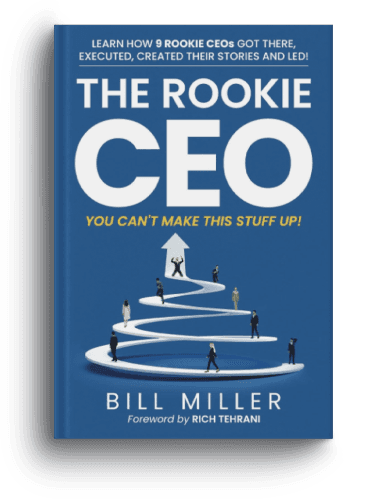
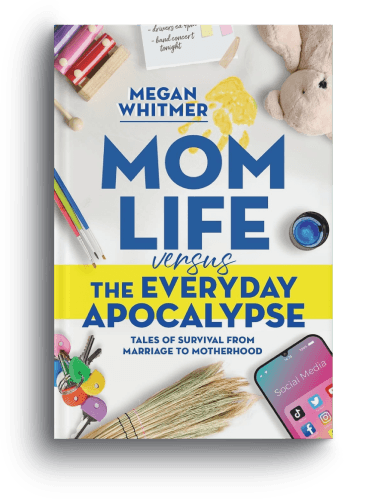
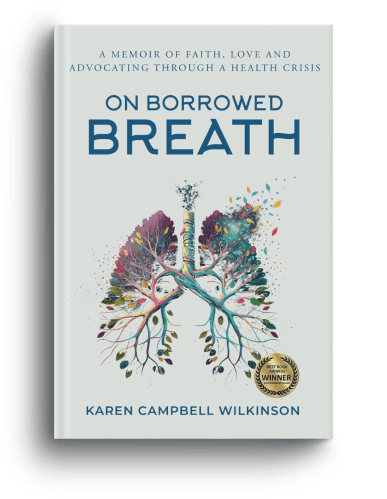
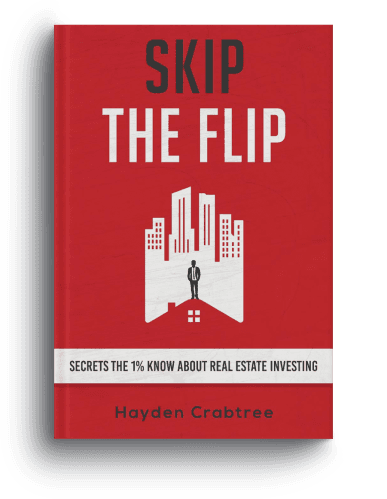
Behold Our Portfolio of Masterpieces
Every book we publish represents our uncompromising commitment to quality. Here are some of our best-selling titles.



Common questions
Proofreading Questions.
Direct Answers.
The questions every author asks before commissioning a proofread.
What's the difference between proofreading and copy editing?
Copy editing addresses clarity, word choice, consistency, and grammar at the sentence level, and comes before formatting. Proofreading is the final pass after editing is complete, checking for any remaining surface errors and reviewing the formatted proof for layout issues. Copy editing improves the writing; proofreading confirms it's clean.
Do I need proofreading if I've already used Grammarly?
Yes. Grammarly and spell-checkers miss the most common proofreading errors, correctly spelled words used incorrectly (homophones), duplicate words, missing words, consistency issues across the manuscript, and all formatting errors. They also have no memory of your character names, invented terms, or style decisions made elsewhere in the manuscript.
Should I proofread before or after formatting?
Ideally, both, but if choosing one, proofread before formatting so your formatter receives clean text. A post-format proof check is then valuable to catch errors introduced during layout. We offer both as a combined service or either independently. The brief you provide tells us which version of your manuscript to work from.
Will my proofreader change my writing style?
No, proofreading is explicitly not a rewriting service. Your proofreader works within your established style, not against it. Intentional sentence fragments, unusual capitalization, non-standard punctuation used for effect, and deliberate departures from the style guide are documented in your style sheet and preserved throughout.
How much does proofreading cost?
Proofreading is priced per word. Standard rates range from $0.008 to $0.015 per word, depending on complexity and turnaround requirements. A 70,000-word manuscript typically costs $560–$1,050. We provide an exact, itemized quote after assessing your manuscript. Rush rates apply for turnarounds under 72-96 hours.
My manuscript has been edited. Do I still need proofreading?
Yes. Editing and proofreading are different stages. Every round of editing introduces the possibility of new errors, accepted changes, new sentences, and restructured paragraphs. The industry standard is always to proofread after editing is complete, not instead of it. Even traditionally published books from major houses are proofread after copy editing.

Your Book is Nearly There.
Let's Make Sure It's Perfect.
Get a transparent, per-word proofreading quote for your manuscript. Share your word count and timeline, and we'll come back to you within one business day with a confirmed price and delivery date.
Transparent per-word pricing. Confirmed delivery date before work begins. No surprises.
Get started
Tell Us About
Your Manuscript
Share your manuscript details, and we'll come back within one business day with a transparent, per-word quote and a confirmed delivery date. No vague estimates, a specific price, and a specific date, before work begins.
📞
Call us
+1 (929) 684 2021
✉️
Email us
hello@bookeunoia.com
🕐
Response time
Within 1 business day